

Urinary leakage can affect everyday activities, from exercising to getting through a working day or a journey without worrying about finding a toilet. It can also have more than one cause, so the first step is understanding what type of incontinence is involved.
Lipo Freeze 2U Rutland offers LF2Sella, a device-based treatment that uses high-intensity electromagnetic stimulation around the pelvic floor. It is a non-surgical option, but its suitability and the evidence for its effectiveness need to be considered carefully. It should not replace a medical assessment or established treatment recommended by a healthcare professional.
LF2Sella aims to rebuild pelvic strength safely and comfortably. This, too, without invasive procedures or long recovery times. For serious and minor symptoms, this provides a method that fits right into your daily routine.
What Is Urinary Incontinence Rutland and Why Does It Happen?
Urinary incontinence Rutland is another name for losing control of your bladder — but the reasons for urinary incontinence can differ widely from person to person.
Weak pelvic floor muscles can contribute to some forms of urinary incontinence, particularly stress incontinence. However, bladder control problems do not all have the same cause. They may also be associated with bladder overactivity, urinary infections, pelvic organ prolapse, neurological conditions, previous surgery or certain medicines.
Two common patterns are:
- Stress incontinence: Urine leaks when pressure is placed on the bladder, such as during coughing, sneezing, laughing or exercise.
- Urge incontinence: A sudden, difficult-to-control need to urinate is followed by leakage before reaching the toilet.
Some people experience a mixture of both. Identifying the type matters because the recommended management can differ.
Urinary Incontinence Treatment can help – Contact us today!
Persistent or new urinary leakage deserves assessment by a GP. The cause is not always pelvic floor weakness, and a clinician may recommend a urine test, a bladder diary or further examination depending on your symptoms. Do not delay assessment if you notice blood in your urine, pain, difficulty passing urine or recurrent urinary infections.
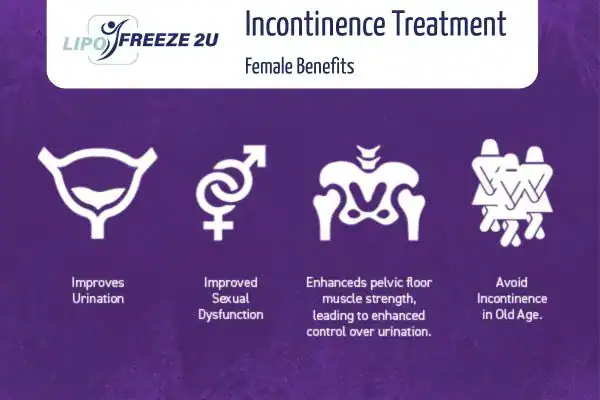
How LF2Sella Optional Treatment Works
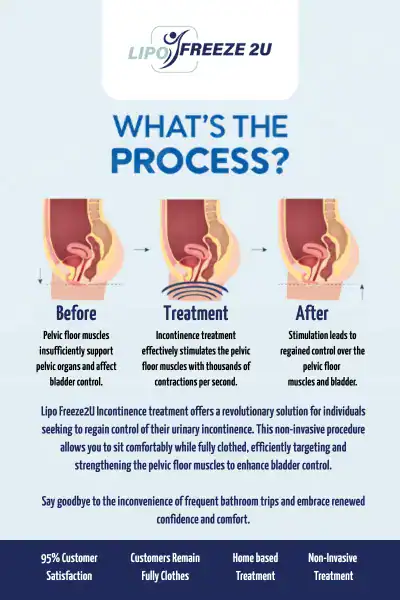
LF2Sella uses high-intensity electromagnetic stimulation to produce contractions in the pelvic floor muscles. The treatment is delivered through a device rather than through voluntary exercise.
The device is designed to produce pelvic floor muscle contractions through electromagnetic stimulation. However, producing a contraction during a session does not necessarily mean that bladder symptoms will improve.
For that reason, LF2Sella should not be presented as a proven replacement for supervised pelvic floor muscle training or medical treatment.
Potential Benefits of Choosing a Non-Surgical Approach
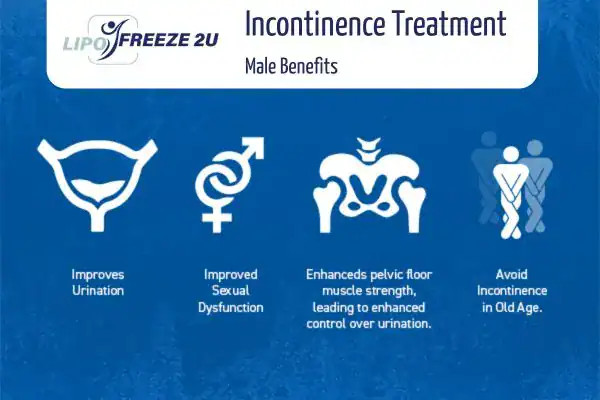
A non-surgical device session may appeal to someone who wants to understand options that do not involve an operation. However, avoiding surgery does not automatically make a treatment effective or suitable.
Before considering LF2Sella, discuss:
- The type of incontinence: Stress, urge and mixed incontinence may require different management.
- The evidence for the device: Ask what clinical research supports this particular treatment and its intended use.
- Other available approaches: Supervised pelvic floor muscle training and bladder retraining are established non-surgical options for relevant types of incontinence.
- Possible discomfort or side effects: Ask what has been reported with the specific device.
- Your individual circumstances: Previous surgery, medical conditions and current symptoms may affect suitability.
A non-surgical approach should still be chosen on the basis of clinical advice and evidence, not simply because it avoids an operation.
What to Expect During the Treatment
If yThe exact experience depends on the device and how the session is delivered. The practitioner should explain the positioning, the stimulation process and what sensations you may notice before treatment begins.
During the appointment:
- The practitioner will go through the procedure with you before starting.
- You will be positioned as required for the equipment being used.
- Muscle contractions may occur while the device is running.
- If anything feels painful or uncomfortable, tell the practitioner so they can assess it.
Ask how the device is used, what precautions apply and what to do if you feel uncomfortable. Do not assume that every person will experience the session in the same way.
How Many Sessions Are Needed for Results?
The number of sessions should not be assumed to be the same for everyone. It depends on the device’s instructions, the treatment protocol and whether the treatment is appropriate for the individual’s condition.
Before agreeing to a course of treatment, get clear answers to these questions:
- How many appointments are being recommended for my situation?
- What clinical evidence supports this number of sessions?
- How will we know whether the treatment is making a difference?
- What is the next step if my symptoms remain unchanged?
- Is maintenance treatment being proposed, and what evidence supports it?
Do not commit to a package on the assumption that a particular number of sessions will restore bladder control.
Recovery, Aftercare, and Results Timeline
Recovery
What happens after a session can depend on the equipment used and how the treatment is carried out. Before leaving, check whether you should expect any short-term discomfort and whether you need to change your exercise routine or other daily activities. Follow the advice given for your particular treatment.
Aftercare
Use the aftercare instructions provided for the equipment used during your appointment. If something does not feel right afterwards, or a symptom persists rather than settling, seek advice from an appropriate healthcare professional.
Results
There is no reliable improvement timeline that can be promised for LF2Sella. Ask what clinical evidence supports the expected outcome, how progress will be measured and what alternatives are available if your symptoms continue.
How Does LF2Sella Compare With Established Incontinence Treatments?
Urinary incontinence can be managed in several ways. The appropriate option depends on the type of leakage, its cause, symptom severity and the person’s medical history.
Options may include:
- Pelvic floor muscle training: Supervised training is a first-line option for stress and mixed urinary incontinence. The European Association of Urology recommends an intensive programme lasting at least three months.
- Bladder retraining: This may be recommended for people with urgency or overactive bladder symptoms.
- Medication: Certain medicines may be considered for overactive bladder or other specific types of incontinence.
- Surgical procedures: These may be discussed when appropriate conservative treatments have not provided sufficient improvement.
LF2Sella uses electromagnetic stimulation, but current guideline evidence does not establish it as an effective alternative to these approaches for stress urinary incontinence. Discuss the available options with your GP or an appropriately qualified continence specialist before deciding what to pursue.
FAQs About Urinary Incontinence Treatment in Rutland, UK
Q: I leak urine when I cough, laugh, or exercise—can LF2Sella Rutland actually help with this type of problem?
LF2Sella should not be presented as a proven treatment for stress urinary incontinence. Current European guidance does not recommend electromagnetic stimulation for this purpose outside a properly regulated and monitored research study. Supervised pelvic floor muscle training is an established first-line option. A GP or continence specialist can help you decide what is appropriate.
Q: I feel a sudden urge to urinate and sometimes don’t make it to the toilet in time—will this treatment still work for me?
Not necessarily. Urgency and urge incontinence can have causes that are different from pelvic floor weakness. Bladder retraining and, where appropriate, medication may be considered after assessment. Speak to your GP before deciding whether a device-based treatment is suitable.
Q: I’m worried about surgery and long recovery times—can this really be an effective alternative?
LF2Sella is non-surgical, but that alone does not establish that it is an effective substitute for surgery or other treatments. Many people are offered non-surgical management first, depending on the type of incontinence. A clinician can explain when surgery is considered and what alternatives are appropriate.
Q: Will the treatment be painful or uncomfortable during the session?
The sensation may vary with the device settings and the individual. Ask the practitioner what you are likely to feel, whether discomfort is possible and how the session can be stopped or adjusted if needed.
Q: I’ve had children and noticed bladder weakness ever since—can LF2Sella Rutland help restore my pelvic strength?
Pregnancy and childbirth can affect pelvic floor function, but urinary leakage after childbirth should still be assessed. Supervised pelvic floor muscle training is a recognised treatment option. Whether LF2Sella has a role in your circumstances is a separate question that should be discussed with a qualified clinician.
Q: I’ve tried pelvic floor exercises (Kegels), but they don’t seem to work—how is LF2Sella Rutland different?
LF2Sella uses electromagnetic stimulation to produce muscle contractions, whereas Kegel exercises involve voluntary pelvic floor contractions. However, it would not be accurate to say that LF2Sella is more effective. If exercises have not helped, a pelvic health physiotherapist can check whether you are performing them correctly and discuss other treatment options.
Q: How soon will I notice improvements in my bladder control?
There is no dependable timeline that can be promised for LF2Sella. Ask the practitioner what evidence supports the expected results and how any change in symptoms will be assessed.
Q: How many sessions will it realistically take for me to notice a difference?
The proposed number of sessions should be explained using the specific device instructions and supporting evidence. There is no basis here for promising that a particular course will improve bladder control.
For Further Information, Please Call Us On 03300 105 225